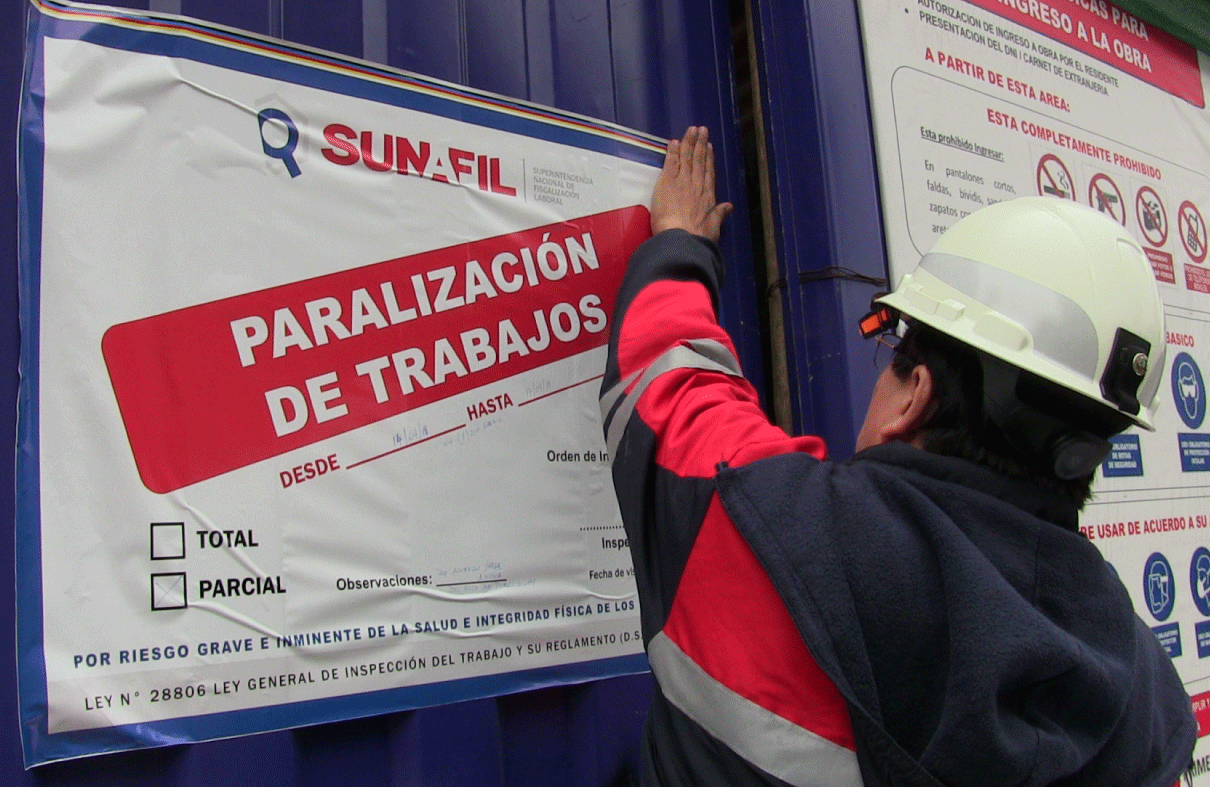
SUNAFIL promotes a structural change in the culture of labor inspection.
Plenary Chamber Resolution No. 009-2025-SUNAFIL/TFL, published on the 22nd, reaffirms, with binding force, the full validity of both principles in the area of labor inspection, consolidating the criterion of limiting administrative discretion.
This resolution established grounds 6.27, 6.28, 6.29, and 6.30 as mandatory administrative precedents. Their relevance lies in the fact that they reveal a very marked structural tension in Labor Sanctioning Administrative Law: on the one hand, SUNAFIL’s power to inspect; and, on the other, the need to preserve areas of entrepreneurial freedom in the management of social benefits.
From a doctrinal perspective, the percentages established by law for each social benefit are conceived as unavailable minimums. However, this precedent prohibits SUNAFIL from sanctioning the granting of additional benefits not provided for in the law, provided that no harm is caused to the worker. This reaffirms the protective purpose of labor law and, at the same time, opens up a space for business creativity, transcending the mere literal meaning of the law and projecting a progressive vision of labor relations, allowing employers to exceed the minimum limits established as an incentive for the employment relationship.
Likewise, the safeguarding role of labor inspection is reinforced, recalling that this procedure does not entail unlimited punitive power, but rather constitutes an essential corrective mechanism subordinate to the principle of criminalization. Consequently, inspection measures are required to identify specific facts, unfulfilled duties, and the types of violations contemplated in the RLGIT (Spanish Civil Code), in order to prevent violation reports from becoming acts of mere discretion. This is consistent with the precedent of mandatory compliance approved by Full Chamber Resolution No. 002-2022-SUNAFIL/TFL, which established that inspection measures must be proportional, reasonable, and respect the principle of legality.
Special attention deserves the criterion established in ground 6.28, in which the Court draws a clear distinction between what constitutes a merely formal breach and what, in essence, constitutes a material violation. In this way, it enables voluntary business practices that grant benefits greater than those legally permitted or to people who do not qualify as beneficiaries, provided that they do not generate a material violation, that is, they end up affecting the true beneficiaries.
In short, this precedent impacts the culture of labor inspection, as it shifts a model focused on sanctioning any literal deviation from the law to one that assesses the real effects of the conduct. This represents a paradigm shift in labor inspection, one that recognizes the importance of progressiveness and the effective protection of rights.
At Thorne, Echeandía y Lema Abogados, we work with our clients to prevent these types of labor and immigration contingencies. Do not hesitate to contact us:
Rodrigo Varillas Cueto
Vanessa Mejía Mejía
Lucero Fernandez Maceda
María Fernanda Lazo